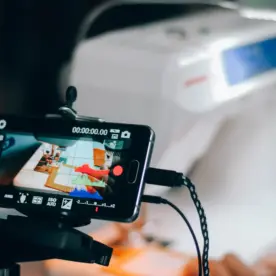
In today’s rapidly evolving digital landscape, marketing strategies have embraced various mediums to engage and captivate audiences.
Among these, the debate between using real video footage and computer-generated imagery (CGI) has gained significant traction. Both approaches have their merits and limitations, offering unique opportunities to convey messages, tell stories, and create memorable brand experiences.
The Power of Real Video
Authenticity and Relatability: Real video footage offers an immediate connection to the real world. It captures genuine emotions, real people, and actual environments. This authenticity can establish a strong emotional bond with the audience, as they can easily relate to the experiences portrayed on screen.
Credibility and Trust: Seeing is believing, and real video fosters credibility. When viewers see actual products, people, or places, they tend to trust the message more. Real video is particularly effective when demonstrating the functionality and features of a product or showcasing real customer testimonials.
Human Touch: Real video captures nuances that are challenging to replicate through CGI, such as subtle facial expressions, body language, and the warmth of human interaction. This is especially valuable in content where personal connections are vital, such as customer service interactions or storytelling campaigns.
Limitations of Real Video: While real video is undoubtedly impactful, it has its limitations. It can be expensive and time-consuming to shoot and produce, requiring suitable locations, talent, equipment, and post-production work. Additionally, some concepts might be difficult or even impossible to film in real-life settings.

Unleashing Creative Potential with CGI
Unbounded Imagination: CGI allows marketers to bring virtually any concept to life without the constraints of reality. This creative freedom is particularly advantageous when visualizing futuristic products, abstract ideas, or fantastical scenarios that would be challenging to capture through traditional means.
Consistency and Reusability: CGI offers unmatched control over visuals, ensuring consistency across different marketing materials. Once created, CGI assets can be reused and repurposed in various campaigns, saving time and resources in the long run.
Visual Elegance: CGI can deliver stunning visual effects, making it a preferred choice for industries like automotive, technology, and entertainment. It can highlight intricate product details, simulate complex processes, and create visually captivating experiences that leave a lasting impression.
Limitations of CGI: Despite its creative potential, CGI can sometimes lack the genuine emotional impact of real video. It might struggle to replicate the subtleties of human emotion, and audiences might perceive it as artificial, potentially affecting the level of engagement.
Finding the Perfect Blend
Rather than viewing real video and CGI as opposing forces, savvy marketers are recognizing the power of blending both techniques for maximum impact. By strategically combining authentic real video with imaginative CGI elements, brands can harness the strengths of each approach while mitigating their weaknesses.
Enhancing Real Video with CGI: Incorporating CGI elements into real video can add a touch of magic to otherwise mundane scenes. For instance, enhancing a product demonstration with visual overlays to emphasize features or conveying data through dynamic visualizations can elevate the viewer’s understanding and engagement.
Augmenting CGI with Real Video: To infuse authenticity into CGI-heavy campaigns, integrating snippets of real video can create a bridge between the fantasy world and reality. This might involve including live-action testimonials or using real locations as backdrops to give CGI content a relatable touch.
Storytelling Synergy: The synergy between real video and CGI can be exceptionally powerful when telling stories. Real video can ground the narrative, while CGI can transport viewers into the heart of the story, taking them on extraordinary journeys that leave a lasting impact.
In conclusion, the real video vs. CGI debate in marketing is not about choosing one over the other, but about leveraging the unique strengths of each to create compelling and effective campaigns. By harnessing the authenticity of real video and the boundless creativity of CGI, marketers can craft experiences that truly resonate with audiences in the digital age.