Computer graphics have come a long way since the early days of pixelated images and basic 2D shapes.
Today, we live in a world where lifelike virtual environments, stunning visual effects in movies, and immersive video games are the norm. This transformation has been made possible by continuous advances in computer graphic technology.
Real-Time Ray Tracing
One of the most significant breakthroughs in computer graphics is real-time ray tracing. Ray tracing is a rendering technique that simulates the way light interacts with objects in a scene. It produces incredibly realistic lighting, reflections, and shadows, but it used to be computationally expensive and was primarily reserved for pre-rendered content. However, recent advancements in hardware, such as NVIDIA’s RTX series graphics cards, have made real-time ray tracing a reality in video games and other interactive applications. This technology has the potential to revolutionize the way we experience virtual worlds, making them indistinguishable from reality.
Machine Learning and AI
Machine learning and artificial intelligence (AI) have also had a profound impact on computer graphics. AI algorithms can now generate high-quality textures, animations, and even entire scenes. For example, NVIDIA’s GAN-based (Generative Adversarial Networks) models can create stunningly realistic images, allowing artists and designers to accelerate their creative processes. Additionally, AI-driven denoising techniques have made it possible to render high-quality images with significantly less computational power, making complex scenes more accessible for real-time applications.
Virtual Reality (VR) and Augmented Reality (AR)
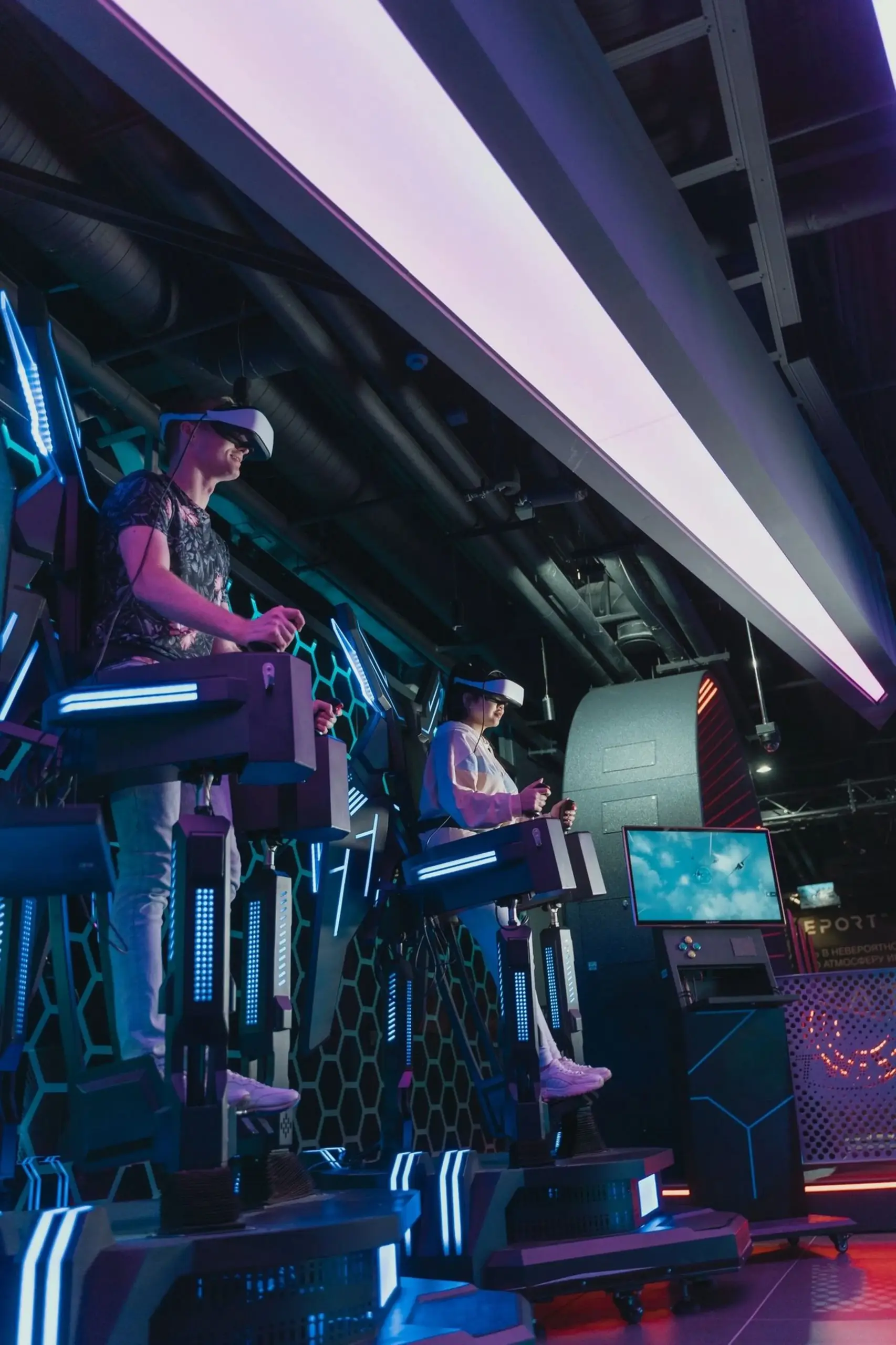
Virtual reality and augmented reality have grown rapidly in recent years, opening up new possibilities for computer graphics. VR immerses users in entirely virtual worlds, while AR overlays digital information onto the real world. These technologies rely heavily on advanced computer graphics to deliver convincing and interactive experiences. Improved graphics hardware, coupled with better tracking and display technology, has enabled more realistic and responsive VR and AR environments, from gaming to education and medical training.
Global Illumination
Global illumination is another area where computer graphics have made significant strides. This technique simulates how light bounces off surfaces, creating natural and realistic lighting in scenes. Traditionally, achieving global illumination required long render times and was mainly used in offline rendering for movies and animations. However, advancements in algorithms and hardware have made real-time global illumination possible in video games and interactive applications, enhancing the visual fidelity of virtual worlds.
Photorealistic Rendering
The quest for photorealism in computer graphics is a never-ending journey. Thanks to the increased computational power of modern graphics hardware and improved rendering algorithms, achieving near-photorealistic graphics in real-time applications is now within reach. This has applications not only in entertainment but also in fields like architecture, automotive design, and product visualization, where realistic visualizations are crucial for decision-making and marketing.
Simulation and Physics
Physics simulations have further enhanced the realism of computer graphics. From fluid dynamics to cloth and hair simulations, these technologies make virtual objects behave more naturally. This is particularly important in video games, where realistic physics can greatly improve gameplay and immersion. Additionally, industries like automotive and aerospace use physics simulations to test and refine designs before physical prototypes are built, saving time and resources.
The field of computer graphics has witnessed remarkable advances in recent years, driven by improved hardware, innovative algorithms, and the integration of AI and machine learning. These developments have not only transformed entertainment and gaming but have also found applications in various industries, from healthcare and architecture to automotive design and education. As technology continues to evolve, we can expect even more exciting developments in computer graphics, pushing the boundaries of what is possible in virtual and augmented reality, photorealistic rendering, and immersive simulations. The future of computer graphics is undoubtedly bright, and it promises to bring us even closer to creating virtual worlds that are indistinguishable from reality.